How to Start Pinterest Affiliate Marketing in 2026
If you’ve tried Pinterest affiliate marketing before and felt like it was hit-or-miss, here’s the good news: Pinterest has quietly made this a lot easier — and a lot smarter — for beginners in 2026.
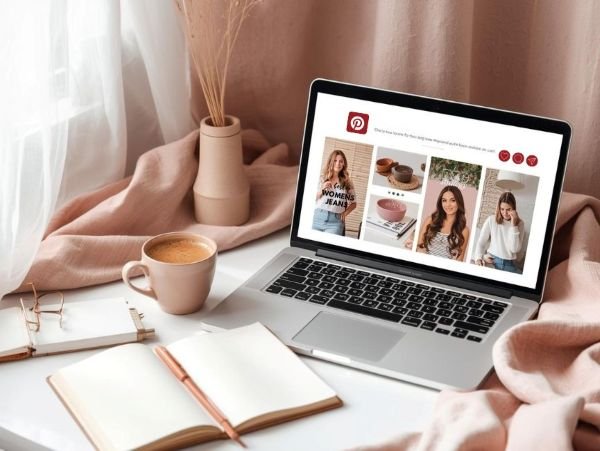
Pinterest now shows exactly what shoppers are searching for. That means you can place affiliate links where buyers already have their wallets out, instead of guessing what might work.
Let’s walk through the updated strategy step by step — without overwhelm.
This post may contain affiliate links. This means I get a commission if you purchase through my links at no extra cost. Read the full disclosure here.
Why Pinterest Is Still a Goldmine for Affiliate Marketing
Pinterest isn’t just inspiration anymore — it’s a shopping platform.
- Over 600 million monthly users
- Around 55% use Pinterest specifically to shop
- Strong engagement from high-income households
- Content has a long lifespan (pins don’t disappear)
Translation?
Pinterest rewards helpful, buyer-focused content — not constant posting.
The best part? With Pinterest Affiliate Marketing, your pins can keep working for you long after you’ve logged off, quietly bringing in clicks and commissions for months (or even years!).
Step 1: Find What Shoppers Are Already Searching For
Before creating anything, start inside Pinterest Trends.
Specifically:
- Go to Shopping Trends
- Look for high-demand product categories (like outfits)
- Check demographics and search growth
For example, when you see searches like “cute casual winter outfits” trending, Pinterest also shows:
- Related buyer searches
- Top-performing pins
- Clear purchase intent
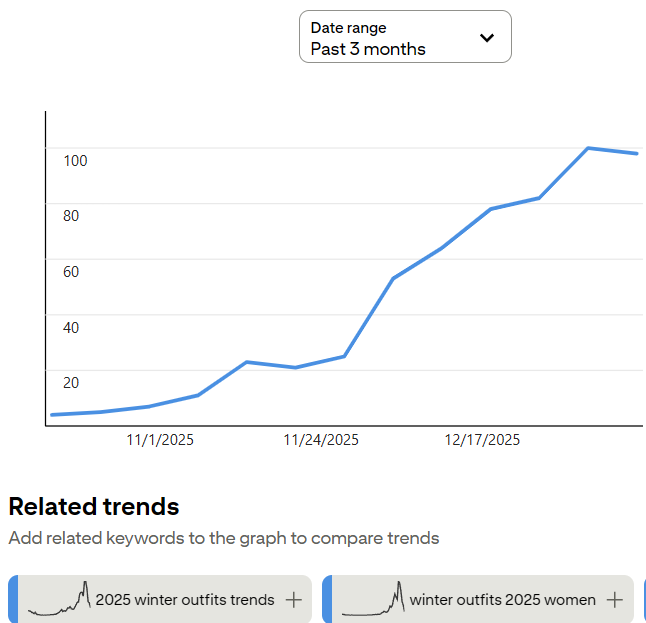
This removes the guesswork — you’re building content around proven demand.
💡 Why this matters:
You’re not inventing ideas. You’re matching what Pinterest users already want to buy.
Step 2: Analyze Top Pins for Buyer Intent
Under each trending search, Pinterest shows:
- The top pins
- The style that’s converting
- How products are being presented
This gives you instant insight into:
- What kind of images work
- What headlines attract clicks
- Whether users want comparisons, recommendations, or “best of” lists
Instead of copying, you’re aligning with intent.
Step 3: Join an Affiliate Program (Amazon Is Beginner-Friendly)
Next, you need affiliate links.
A popular option for beginners is Amazon Associates because:
- Easy approval
- Huge product selection
- Clear commission tracking (often around 10%)
- High buyer trust
Once approved, you can generate tracked product links for any item you promote.
✨Read how to start a profitable Amazon affiliate blog.
Step 4: Create Affiliate Pins with AI (Using Kittl)
If you’re dreaming of a simple way to boost your income without adding more to your already-full plate, Pinterest Affiliate Marketing is hands-down one of the easiest places to start—especially if you love creating pretty, helpful pins.
So, this is where things get exciting.
Instead of relying on generic product images, you can create custom, scroll-stopping pins using Kittl flows.
With Kittl, you can:
- Upload a reference product image
- Generate professional-looking visuals with AI
- Create lifestyle-style images without photo shoots
- Design pins that feel premium and clickable
💡 Beginner win:
You don’t need design skills — just clear product intent.
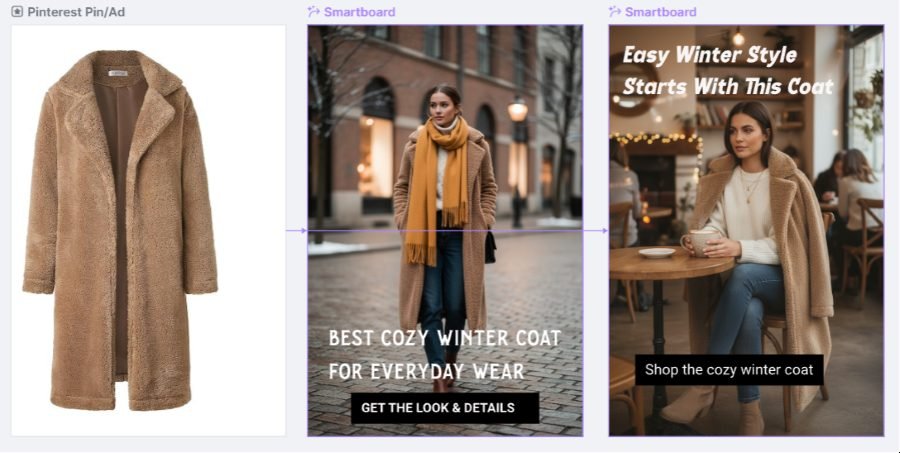
Kittl Flows makes Pinterest affiliate marketing much easier. You can turn one winter coat image from Amazon into multiple high-converting pin designs, all while staying within Amazon’s image usage guidelines.
To make these affiliate marketing strategies work even better, learn how to generate eye-catching visuals with this Kittl tutorial.
Step 5: Match Pins to Buyer Search Intent
Pinterest’s search bar is your best research tool.
Try typing phrases like:
- Winter outfits for women
- Casual winter outfits for cold weather
- Cozy winter outfits for school
These are buyer-intent searches, not casual browsing.
On Pinterest, people don’t click because a pin looks “pretty.”
They click because the pin answers the exact question already in their head.
That’s what buyer intent is all about.
Use a Clear, Search-Matching Headline
Your headline should reflect what users typed into Pinterest — almost word-for-word — so they immediately know your pin is relevant.
Examples that work:
- Winter Outfits for Women 2026
- Chic Winter Outfits for Cold Weather
- Cozy Winter Outfit Ideas for Women
- Casual Winter Outfits You’ll Actually Wear
Avoid vague headlines like:
- Cute Looks for the Season
- My Cozy Favorites
- You Need This Outfit
These don’t connect strongly to the search term and won’t attract the right audience.
Your pin design should match that intent:
- Clear headline
- Specific benefit
- Product-focused message
The closer your pin matches the search, the higher your click-through rate.
✨If you’re designing your Pinterest pins in either Canva or Kittl, this Kittl vs Canva breakdown will help you decide which platform gives you the strongest visuals and fastest workflow.
Match the Visual Style to “Winter Outfits for Women”
Your visuals should help Pinterest users instantly understand:
- the outfit vibe
- the season
- the temperature
- the style category (chic, casual, cozy, minimalist)
Strong visual matches:
- Soft neutral backgrounds
- Snowy outdoor scenes
- Cozy indoor flat lay clothing photos
- Layered outfits on mannequins or models
- AI-generated winter lifestyle scenes
- Winter textures (knits, wool, faux fur, boots)
If the visual doesn’t scream “winter outfit,” users scroll past.
With strong Kittl prompts, you can generate visuals that match any Pinterest style: neutral backgrounds, lifestyle setups, flat lays, textured details, or styled outfit shots.
Step 6: Don’t Link Directly — Warm Up the Click
A smart Pinterest affiliate marketing tactic is to warm up the click first, rather than sending users straight to an affiliate product.
Instead of sending Pinterest users straight to an affiliate product page, a more effective approach is to link your pin to a short affiliate article first. This article acts as a gentle bridge between the pin and the purchase by:
- introducing the product in a helpful, non-pushy way
- explaining who the product is for and who it’s not for
- highlighting one or two key benefits that match the search intent
- answering common “Is this right for me?” questions
- setting expectations before the user clicks through
This small step provides readers with clarity and confidence, making them far more comfortable moving forward.
Pinterest affiliate marketing helps creators inspire their audiences with real-life, trendy products, while earning a small commission.
Step 7: Build Affiliate Articles Fast with AI
Pinterest affiliate marketing is a fantastic way for bloggers to monetize their content while sharing their favorite products with their audience.
You don’t need a complex website.
Using Hostinger Horizons AI, you can:
- Create simple affiliate-focused articles
- Add product recommendations
- Insert Amazon affiliate links
- Publish quickly without tech headaches
These pages serve as a bridge between Pinterest and the purchase process.
Step 8: Optimize Your Pin Description for Buyers
When publishing your pin:
- Use buyer keywords naturally
- Describe the benefit clearly
- Link to your affiliate article (not just the product)
Pinterest uses this data to decide who sees your pin — so clarity beats cleverness.
To make this step even easier, you can follow my full guide on Pinterest keywords, where I show you how to find the phrases your audience is already searching for.
Common Mistakes to Avoid
- Skipping Pinterest Trends research
- Designing pins without buyer intent
- Sending cold traffic straight to affiliate links
- Ignoring pin descriptions
- Giving up before pins have time to circulate (it may take a month for pins to go viral)
Pinterest is a search engine — patience pays.
Final Thoughts: Is Pinterest Affiliate Marketing Worth It in 2026?
Yes — especially with these updates.
Pinterest Trends now shows you:
- What people want
- How they search
- What converts
When you combine:
- Shopping Trends
- AI-designed pins
- Affiliate programs like Amazon
- Simple AI-built websites
You get a low-cost, beginner-friendly affiliate system that can grow quietly over time.
And yes — it really is easier than it used to be.
FAQ: Pinterest Affiliate Marketing
Do I need a blog to start?
No, but having a simple article improves trust and conversions.
Can beginners use AI tools for this?
Absolutely — tools like Kittl and Hostinger Horizons are designed for non-tech users.
How long until you get results?
Most people see traction within weeks, not days. Pinterest rewards consistency.
Final Thoughts
So why not start leveraging Pinterest affiliate marketing today to boost income?
Want help creating Pinterest-ready affiliate pins and articles without starting from scratch?
👉 Grab my Kittl AI Prompt Library (80 Total Prompts) For Pinterest Creators, Affiliate Marketers & Digital Product Sellers.
Turn any affiliate product into a realistic, Pinterest-ready lifestyle image—without breaking image rules or spending hours tweaking prompts. Pinterest wants real-life inspiration, and this bundle helps you create exactly that.